Turning first-time customers into regulars
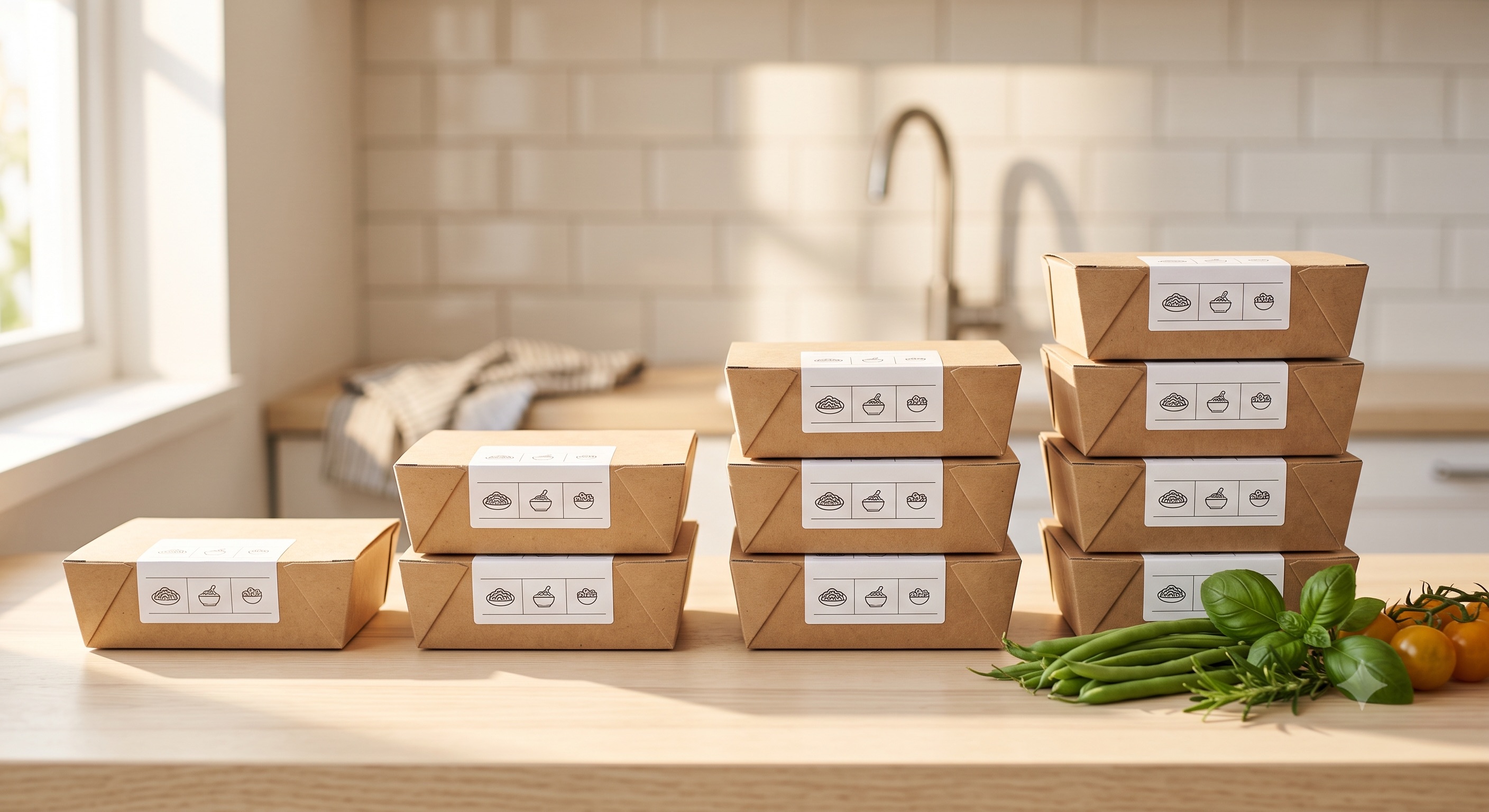
Getting a customer to place their first meal prep order is an important milestone. But the first order isn't the finish line, it's the beginning of the relationship. A great first experience gives customers a reason to come back. What happens afterward helps determine whether or not they actually do.
For a growing meal prep business, this is one of the easiest opportunities to improve retention without constantly finding new customers. Instead of letting a first-time customer disappear into your customer list, create a simple follow-up sequence that keeps the relationship going while the experience is still fresh.
The good news: this doesn't need to become another weekly task for you or your team. Once the sequence is set up, it can run automatically. The important part is deciding what each message should accomplish.
Start with the right goal: earn the second order
Your first follow-up shouldn't immediately ask for another sale. A customer who just received their first order is still deciding whether your business fits into their routine. Did the meals arrive when expected? Did they enjoy the food? Was ordering easy? Did the portions work for them?
Your first job is to find out. From there, the sequence can move from feedback → reminder → re-engagement. Think of each message as answering a different question:
- Did they have a good experience?
- Have they had a chance to order again?
- If they haven't, is there a reason to give them another try?
That keeps the sequence useful instead of making it feel like three versions of "please buy again."
The day after delivery: check in
Goal: learn and build the relationship
Send a short message about a day after the customer's first order arrives. This isn't the time for a coupon or an upsell. You want honest feedback while the experience is still fresh. Try something simple:
Hi [Name]! Just checking in, how did everything go with your first order? We'd genuinely love to hear what you thought.
The response can be valuable in two ways. First, a happy customer gets a small signal that there's a real person behind the business. Second, a customer who had a problem has an opportunity to tell you about it before simply deciding not to order again.
And don't treat negative feedback as a failure. It's an opportunity to fix the experience before you lose the customer. If you hear the same issue repeatedly — confusing pickup instructions, a portion-size concern, a particular dish customers don't love — you may have uncovered something worth fixing across the business.
Keep the ask easy
Don't send a five-question survey immediately after someone's first order. A simple open-ended question is often enough to start the conversation. You can always ask a follow-up if they respond.
Before the next ordering deadline: make reordering easy
Goal: stay top of mind
If the first experience went well, your next job is surprisingly simple: remind the customer to order again.
Customers don't always stop ordering because they disliked the food. Sometimes they simply get busy, forget about the ordering deadline, or assume they'll come back later, and then the window closes. A reminder a few days before your normal deadline can prevent that.
Hey [Name]! This week's ordering window closes Thursday at noon. If you're ready for next week's meals, here's what's on the menu: [link].
The important part is the link and the deadline. Don't make a customer who already likes your food search through an old email, find your website, remember their password, and figure out where to start. The easier you make the second order, the less likely friction is to get in the way.
Use what you already know
Make the reminder more useful by showing customers relevant options. For example, if they ordered high-protein meals on their first order, make those options easy to find. If they ordered family-size meals, bring those forward.
This doesn't have to mean creating a completely different campaign for every customer. Even basic segmentation can make a generic reminder feel much more relevant.
About 7–10 days later: re-engage the customers who haven't returned
Goal: find out who's still interested
At this point, you don't need to treat every first-time customer the same. Someone who has already reordered doesn't need another incentive. Someone who hasn't opened your messages may not be ready. Someone who has clicked through the menu several times but hasn't ordered may simply need a final nudge.
This is where segmentation becomes valuable. For customers who haven't reordered, send a short re-engagement message.
We'd love to have you back, [Name]. If you're still looking for an easier way to handle next week's meals, here's what's on the menu: [link].
You can add a small incentive if it makes sense for your business — "As a thank-you for giving us a try, here's $5 toward your next order: [code]." But don't make a discount the automatic third step for everyone. If customers learn that waiting long enough always earns them a coupon, you may unintentionally train them to delay ordering.
Use incentives strategically, particularly for customers who showed genuine interest but haven't yet converted into a repeat buyer.
What to measure
The value of this sequence isn't just that it sends messages automatically. It gives you a clearer picture of where customers are dropping off. Track a few simple numbers:
- First-to-second-order rate — What percentage of first-time customers place another order?
- Time to second order — How long does it typically take?
- Repeat purchase rate — Are customers who make a second order continuing to come back?
- Response to your check-in — Are customers giving you useful feedback?
- Re-engagement conversion — Does the final message bring inactive first-time customers back?
You don't need a complicated dashboard to start. Even a simple monthly review can reveal patterns. If very few first-time customers make it to a second order, the problem may not be your marketing. It could be the menu, ordering experience, delivery process, pricing, or the first-order experience itself.
Retention data is a diagnostic tool, not just a marketing metric.
You don't have to overhaul the whole sequence to act on what you find, either. Test one change at a time — a different subject line, a new incentive, or a different channel — and give it enough time to show a real result before moving to the next.
Post-purchase follow-up checklist
After the first order
- Send a personal-feeling check-in after delivery.
- Ask for feedback without immediately trying to sell.
- Review negative feedback for patterns you can fix.
Before the next deadline
- Remind first-time customers when ordering closes.
- Include a direct link to reorder.
- Highlight relevant menu options when possible.
- Keep the message short and useful.
7–10 days later
- Identify first-time customers who haven't reordered.
- Send a simple re-engagement message.
- Consider a modest incentive for customers who seem worth re-engaging.
- Avoid automatically discounting every customer who doesn't reorder.
Every month
- Review your first-to-second-order rate.
- Look for patterns in customer feedback.
- Compare performance across email and SMS.
- Test one improvement to the sequence.
The bigger point
Acquiring a new customer is only half the job. The real growth opportunity is getting more value from the customers you've already worked hard to earn. A thoughtful post-purchase sequence helps you do that without adding another recurring task to your team's workload. More importantly, it gives you a structured way to listen to customers, remove friction, and turn a successful first order into a repeat habit.
You don't need a complicated retention program to start. Check in. Make the next order easy. Re-engage thoughtfully. Then pay attention to what your customers tell you. That's how a first order becomes a relationship.